
Aparajita Balcony Garden Guide: Grow a Stunning Blue Flower Vine at Home


Introduction to the Aparajita Vine (Clitoria ternatea)
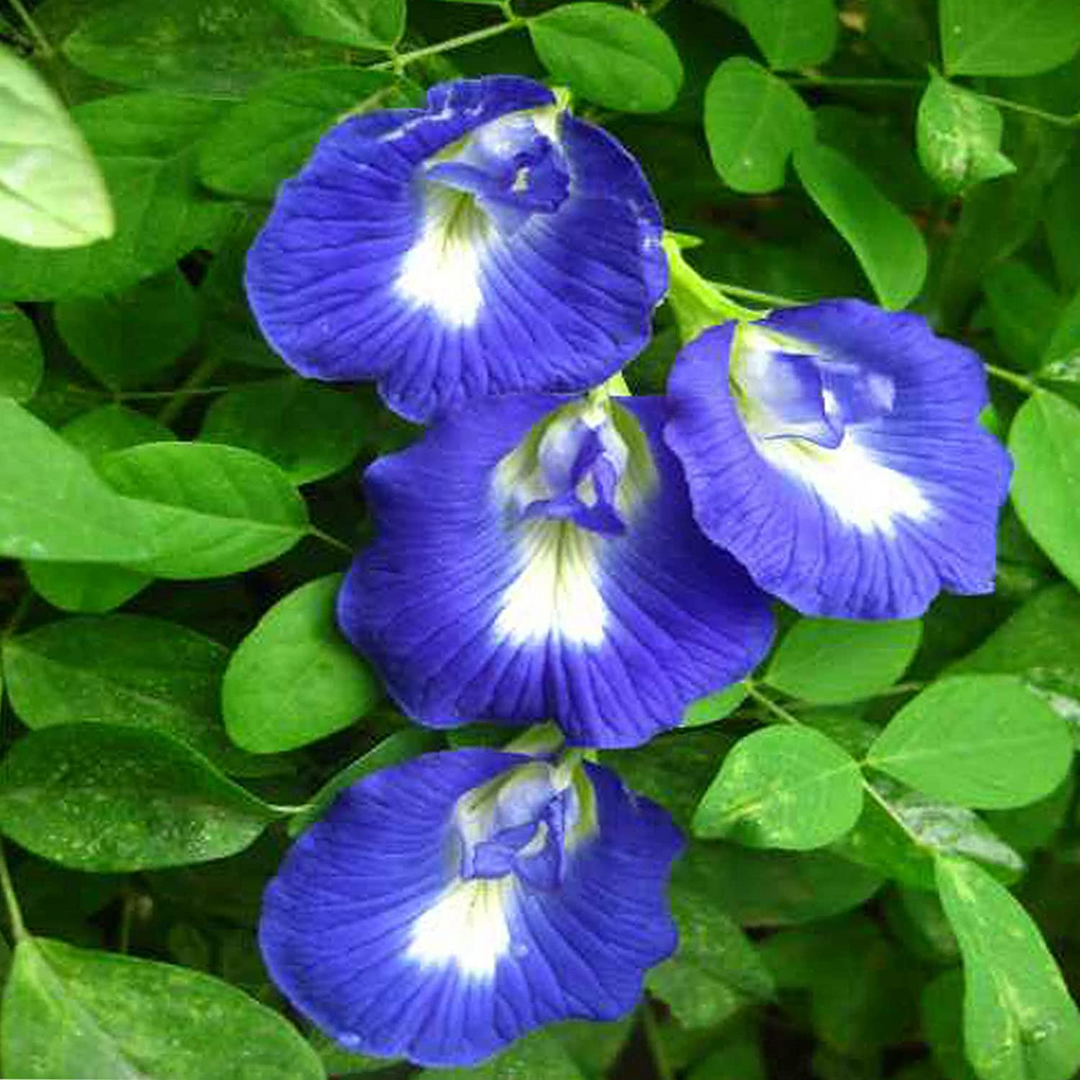
The Aparajita plant, scientifically known as Clitoria ternatea, is a breathtaking flowering vine admired for its deep blue butterfly-shaped blossoms. Widely known as Butterfly Pea, Blue Pea Flower, or Aparajita, this climbing plant is extremely popular in Indian households for both ornamental beauty and traditional significance.
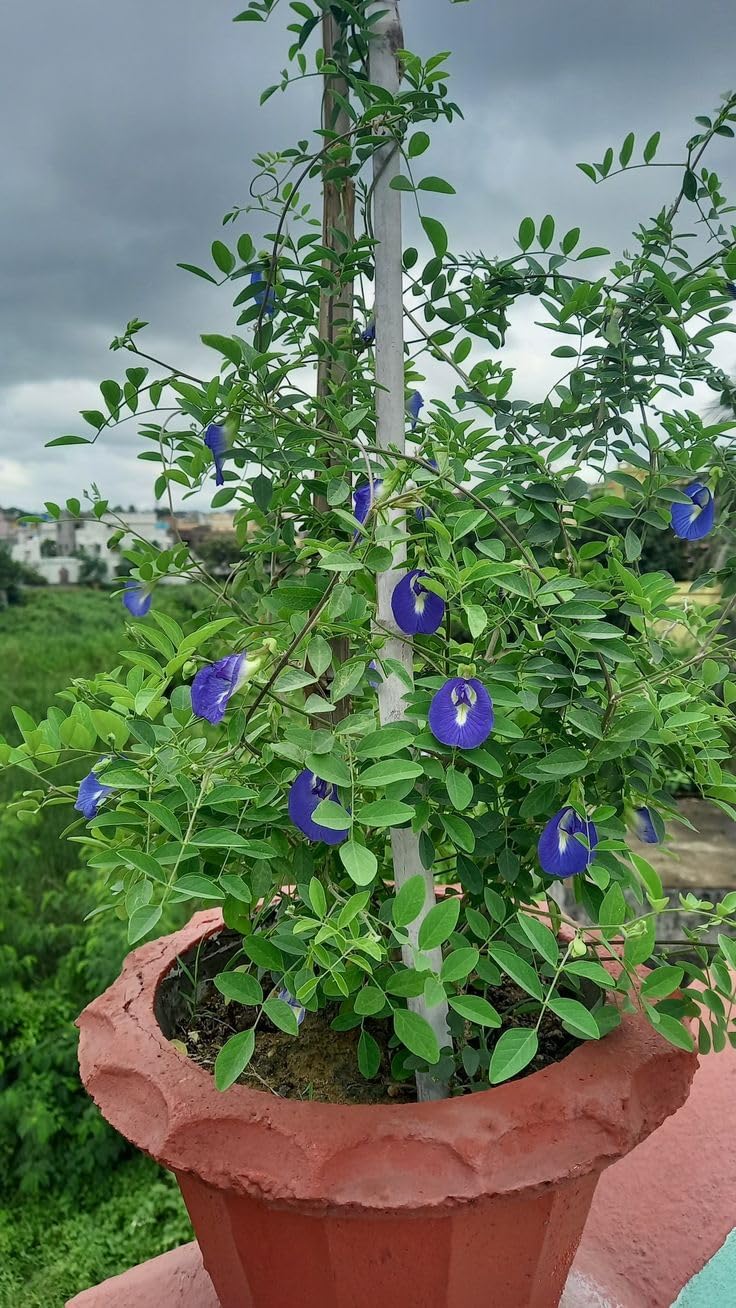
Growing Aparajita in a balcony garden is one of the easiest ways to transform a small urban space into a vibrant green corner. With minimal care, this fast-growing vine produces abundant, vivid blue flowers that bloom almost daily during warm months. Because it thrives in containers, it is perfect for apartment gardeners and small-space gardening enthusiasts.
We can cultivate this remarkable vine successfully in pots, hanging planters, balcony railings, and vertical trellises, making it a perfect flowering climber for home gardens.
Why Aparajita Is Perfect for Balcony Gardening
Choosing the right plant for a balcony is essential, and Aparajita vine offers several advantages that make it one of the best flowering climbers for compact spaces.
1. Fast-Growing Climbing Vine
The plant grows rapidly and can cover trellises, railings, and balcony grills within weeks.
2. Spectacular Blue Flowers
Its vibrant cobalt blue blossoms create a dramatic visual contrast against green leaves, instantly enhancing the beauty of any balcony.
3. Easy to Grow in Pots
Unlike many climbers, Clitoria ternatea thrives in containers, making it ideal for urban gardening.
4. Multiple Uses
Apart from being decorative, the flowers are used for herbal tea, natural food coloring, Ayurvedic remedies, and traditional rituals.
5. Pollinator Friendly
The blossoms attract bees and butterflies, supporting balcony biodiversity.
Choosing the Right Pot for Aparajita
Proper container selection helps ensure healthy growth.
Ideal pot specifications include:
Size: 8–12 inch deep container
Material: Terracotta, ceramic, or sturdy plastic
Drainage: At least 3–4 drainage holes
Shape: Deep containers encourage strong root development
A vertical support structure such as a bamboo trellis, string support, or balcony grill should also be provided because the plant naturally climbs.
Best Soil Mix for Aparajita Plants
Healthy soil is the foundation of a thriving Aparajita vine. The ideal soil should be loose, nutrient-rich, and well draining.
Recommended Potting Mix
We recommend the following blend:
40% garden soil
30% compost or vermicompost
20% coco peat
10% sand or perlite
This mixture improves aeration, moisture retention, and nutrient supply, helping the plant produce vigorous vines and continuous blooms.
Adding organic compost every 20–25 days further boosts flowering.
How to Grow Aparajita from Seeds


Growing Aparajita from seeds is simple and highly successful.
Step-by-Step Seed Planting Process
1. Seed Preparation
Soak the seeds in warm water for 6–8 hours. This softens the seed coat and speeds up germination.
2. Soil Preparation
Fill the pot with the well-draining potting mix described earlier.
3. Sowing Seeds
Plant seeds 1 inch deep in the soil and cover lightly.
4. Watering
Water gently to keep the soil slightly moist but not soggy.
5. Germination
Seeds typically germinate within 7–12 days.
6. Provide Support
Once the plant reaches 6–8 inches, guide the vine toward a trellis or railing.
Within 6–8 weeks, the plant begins producing flowers.
Sunlight Requirements for Maximum Flowering
The Aparajita vine thrives in bright sunlight.
For best results, ensure the plant receives:
5–7 hours of direct sunlight daily
Morning sunlight for strong blooming
Protection from extremely harsh afternoon heat in peak summer
Balconies facing east or south are ideal locations.
Insufficient sunlight may cause reduced flowering and weak vines.
Watering Schedule for Aparajita Plants
Proper watering maintains healthy roots and prevents plant stress.
Recommended Watering Routine
Summer: Water every 1–2 days
Winter: Water every 3–4 days
Rainy season: Water only when soil becomes dry
Always ensure excess water drains freely, as waterlogging can damage roots.
A simple rule: water when the top inch of soil feels dry.
Best Fertilizers for More Flowers
Aparajita plants respond well to organic feeding.
Top Fertilizers for Aparajita
1. Vermicompost
Add a handful every 20 days for steady nutrients.
2. Banana Peel Fertilizer
Rich in potassium, banana peel liquid fertilizer encourages blooming.
3. Mustard Cake Liquid Fertilizer
Diluted mustard cake solution boosts vigorous vine growth.
4. Seaweed Extract
Improves plant immunity and enhances flower production.
Avoid excessive chemical fertilizers because they can cause leafy growth with fewer flowers.
Pruning and Training the Vine
Regular pruning keeps the plant bushy and productive.
Pruning Tips
Trim dry or weak stems
Pinch growing tips to encourage branching
Remove old flowers to stimulate new buds
Training the vine along balcony railings, vertical strings, or trellises creates a beautiful cascading floral display.
Common Pests and Problems
Although Aparajita is relatively hardy, occasional pests may appear.
Common Issues
Aphids
Tiny insects sucking plant sap.
Solution: Spray neem oil solution weekly.
Spider Mites
Cause yellow speckled leaves.
Solution: Increase humidity and spray neem oil.
Leaf Yellowing
Usually caused by overwatering or nutrient deficiency.
Solution: Improve drainage and add compost.
Regular inspection ensures early detection and easy treatment.
Benefits and Uses of Aparajita Flowers
The beauty of Aparajita extends beyond ornamentation.
1. Herbal Tea
Butterfly pea flowers are widely used to make blue herbal tea, known for its antioxidant properties.
2. Natural Food Coloring
The pigment produces a brilliant blue dye used in beverages and desserts.
3. Ayurvedic Uses
Traditional medicine values the plant for brain health, stress relief, and memory support.
4. Religious Significance
In many Indian traditions, Aparajita flowers are offered in worship, especially during Durga Puja and Vishnu rituals.
Tips for a Thriving Aparajita Balcony Garden
To maintain a lush flowering vine, follow these essential tips:
Provide strong vertical support
Ensure good drainage
Use organic fertilizers regularly
Prune occasionally for bushier growth
Place the plant in bright sunlight
With proper care, the vine can grow 6–10 feet long, creating a spectacular living curtain of blue flowers.
Conclusion
The Aparajita vine is one of the most rewarding flowering climbers for balcony gardening. Its brilliant blue blooms, rapid growth, and low maintenance nature make it an excellent choice for both beginner and experienced gardeners.
By providing sunlight, nutrient-rich soil, regular watering, and simple support structures, we can easily cultivate a thriving Aparajita plant that fills our balcony with color, life, and natural elegance.
Whether grown for ornamental beauty, herbal uses, or spiritual significance, the Aparajita vine remains a timeless and enchanting addition to any home garden.
Comments
Post a Comment