
Why Lycoris Flowers Are the Most Fascinating Late-Summer Bloomers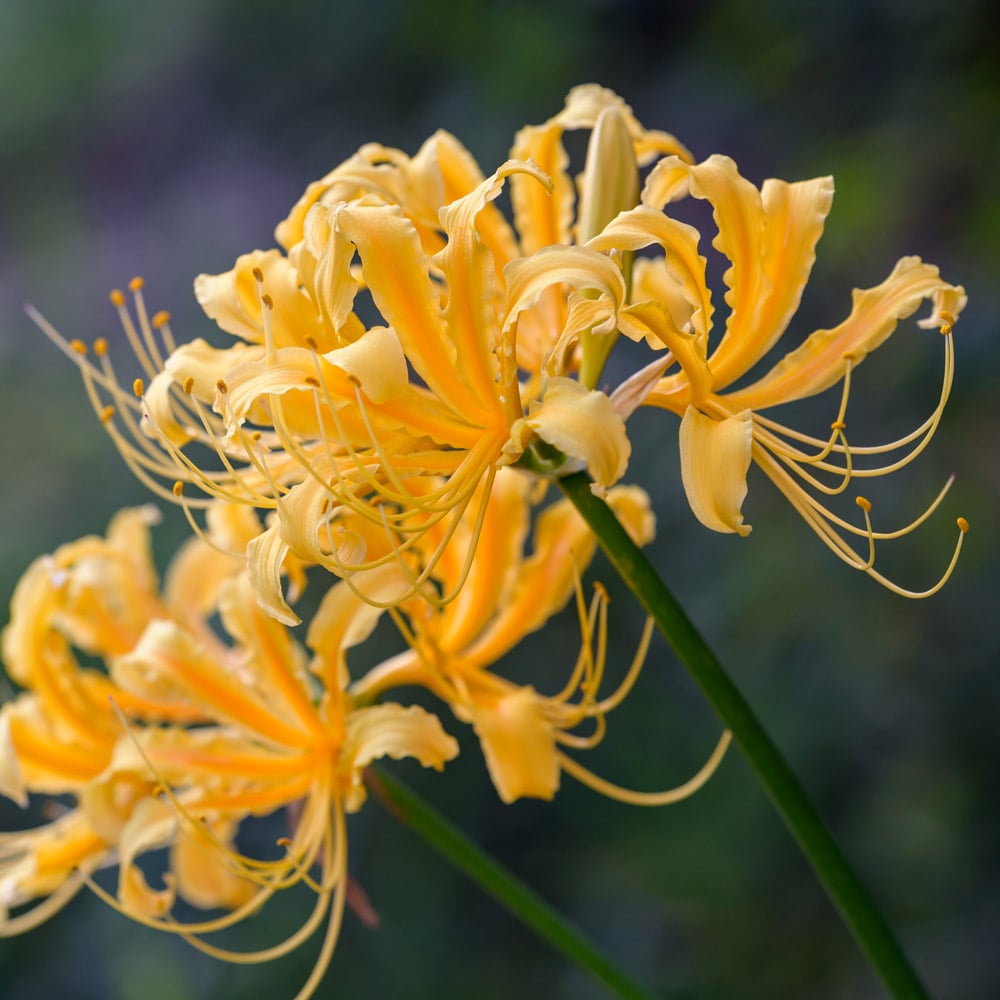
Late summer gardens often experience a lull between the vibrant colors of spring and the deep tones of autumn. During this quiet transition, Lycoris flowers emerge dramatically, producing dazzling blooms that seem to appear overnight. Known for their striking beauty and mysterious growth pattern, Lycoris lilies are among the most captivating ornamental plants in the world.
Gardeners, botanists, and flower enthusiasts admire Lycoris radiata, Lycoris squamigera, Lycoris aurea, Lycoris sanguinea, and Lycoris sprengeri for their unique characteristics and spectacular floral displays. These exotic flowers not only brighten late-summer landscapes but also carry rich symbolism and cultural significance.
This comprehensive guide explores everything about Lycoris flowers, including their species, meaning, pronunciation, growing habits, and even their surprising connection to modern pop culture such as Lycoris anime and Lycoris Recoil.
Understanding the Lycoris Flower
Lycoris Meaning and Botanical Background
The genus Lycoris belongs to the Amaryllidaceae family, a group known for producing bulbous flowering plants with dramatic blossoms. Native primarily to China, Japan, and Korea, these flowers thrive in warm climates and bloom during the late summer or early autumn.
The Lycoris meaning often symbolizes rebirth, separation, remembrance, and transformation. In many Asian cultures, these flowers are associated with emotional transitions and spiritual symbolism. Their mysterious blooming cycle—flowers appearing before leaves—adds to their mythological allure.
Botanically, Lycoris lilies are perennial bulbs that produce tall, leafless stems topped with clusters of spider-like blooms. Their slender petals curve outward gracefully, giving them a delicate yet striking appearance.
Lycoris Pronunciation Explained
Many gardeners encounter difficulty with the correct Lycoris pronunciation. The word is typically pronounced:
“LIE-kor-iss”
The name derives from Greek mythology, referencing Lycoris, a figure connected with beauty and poetry. Over time, the name became associated with these elegant flowering plants.
The Unique Blooming Pattern of Lycoris Lilies
One of the most fascinating aspects of lily Lycoris plants is their unusual growth cycle. These flowers are often called “surprise lilies” because they bloom suddenly without visible foliage.
The growth pattern follows a distinctive sequence:
Spring: Leaves grow from the bulbs.
Early Summer: Leaves die back completely.
Late Summer: Bare flower stalks emerge rapidly.
Autumn: Stunning blooms appear within days.
This surprising transformation makes Lycoris lilies a remarkable addition to any garden.
Popular Lycoris Species and Their Unique Beauty
Lycoris Radiata – The Iconic Red Spider Lily

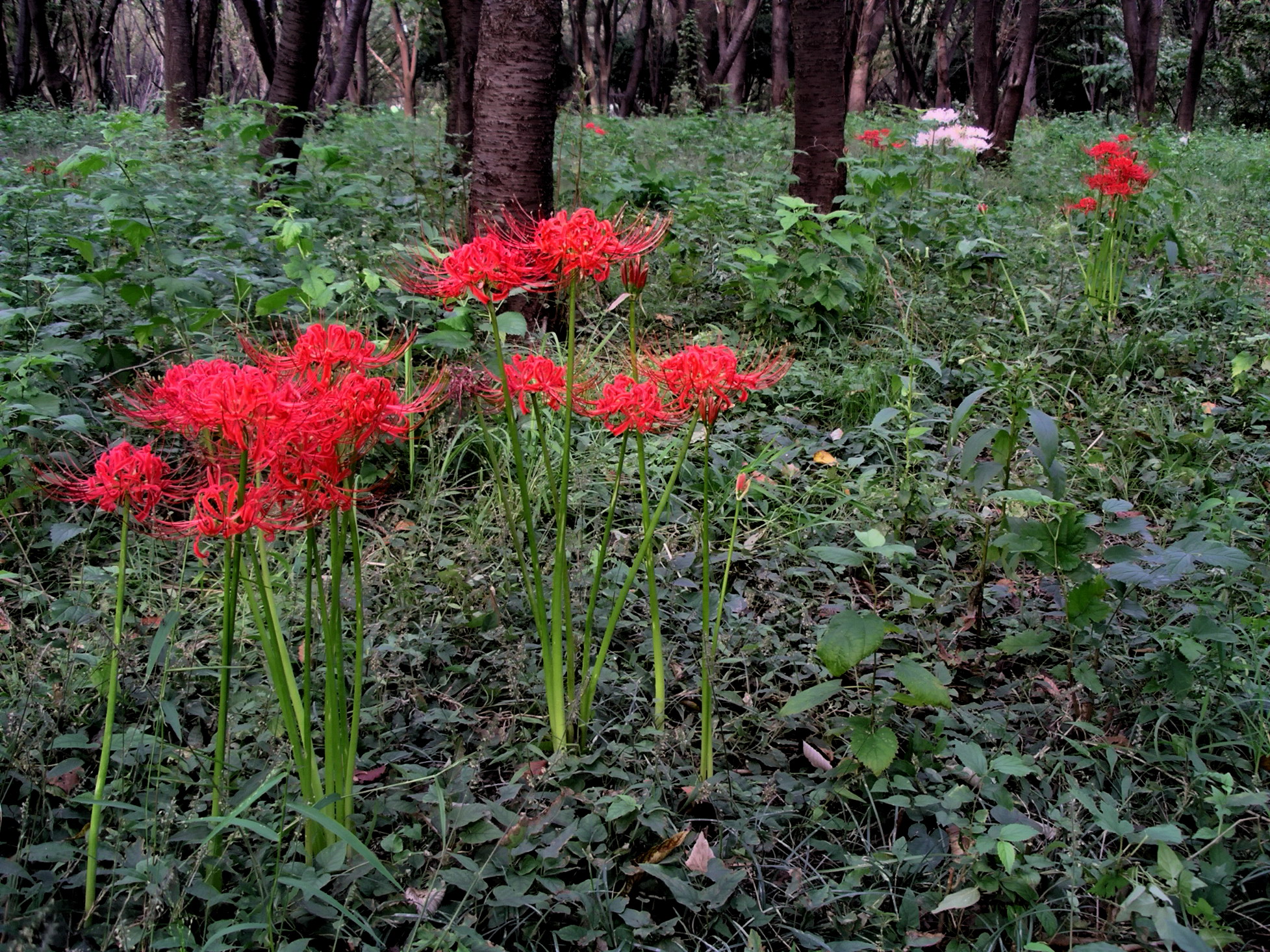

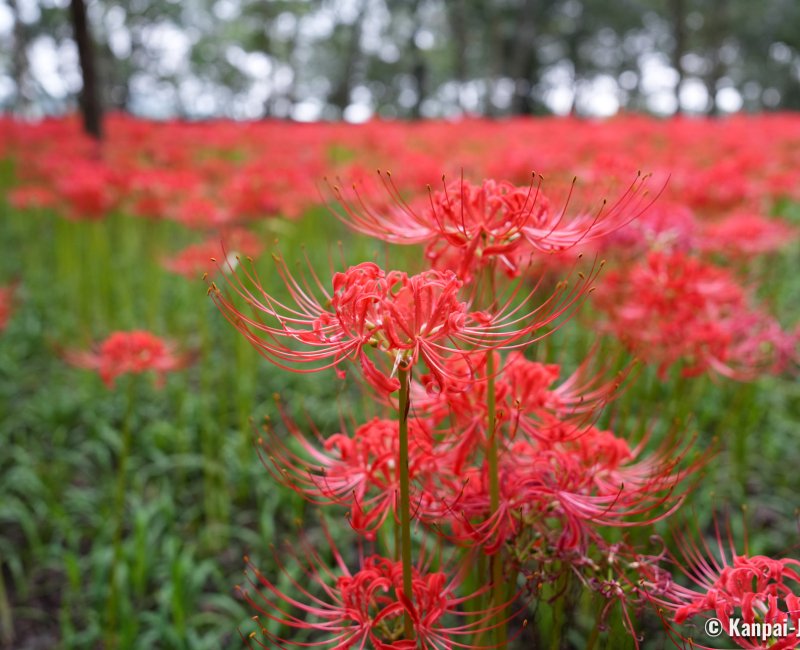
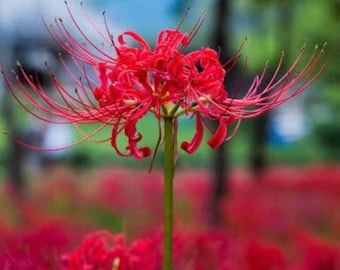
Lycoris radiata is perhaps the most famous species of the genus. Often called the Red Spider Lily, it features fiery red petals that curl outward like delicate threads.
Key characteristics:
Brilliant crimson color
Spider-like filament petals
Blooms in late summer to early autumn
Widely grown in Japan, China, and Korea
In Japanese culture, Lycoris radiata symbolizes farewell, loss, and remembrance, making it a flower often planted near temples and cemeteries.
Lycoris Squamigera – The Magical Resurrection Lily
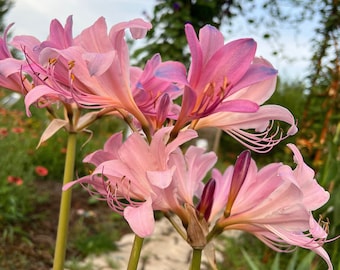


Lycoris squamigera, commonly known as the Resurrection Lily, is famous for its ability to appear suddenly after weeks of dormancy.
Distinct features include:
Soft pink trumpet-shaped flowers
Tall, elegant stems
Sweet fragrance
Reliable late-summer blooming
The nickname “Resurrection Lily” reflects how these flowers seemingly rise from bare soil overnight.
Lycoris Aurea – The Golden Spider Lily
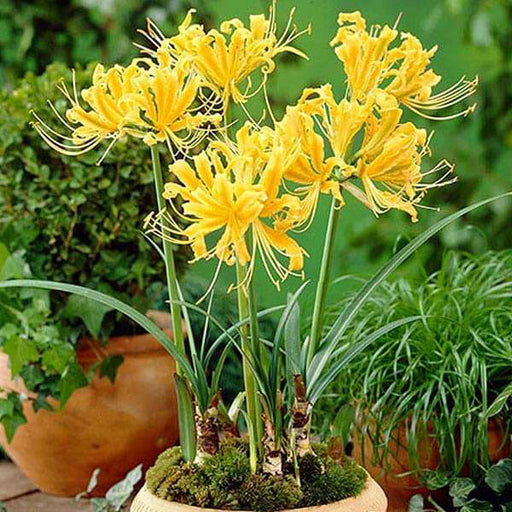
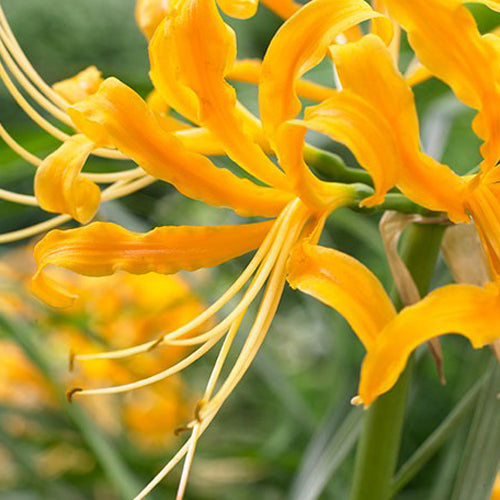
Lycoris aurea stands out with its brilliant golden blossoms that bring warmth and brightness to late-season gardens.
Important traits:
Bright golden-yellow flowers
Large, dramatic blooms
Strong ornamental appeal
Popular in subtropical gardens
This species adds a radiant splash of sunshine to landscapes transitioning into autumn.
Lycoris Sanguinea – The Soft Orange Beauty
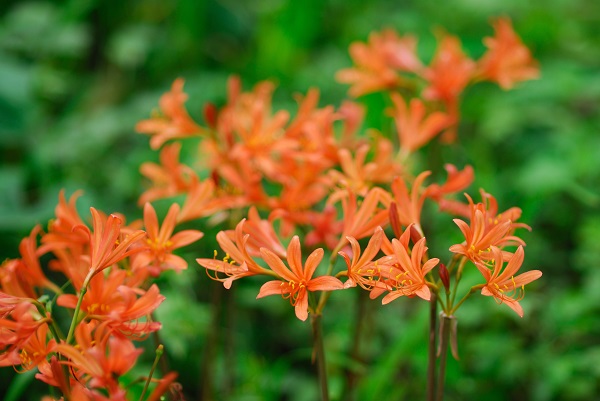


The delicate Lycoris sanguinea is admired for its subtle coloration and graceful petals.
Key highlights include:
Soft orange to coral-colored flowers
Compact growth habit
Early blooming compared to other species
Popular among collectors
Its gentle hues make it perfect for elegant garden borders.
Lycoris Sprengeri – The Rare Lavender Lycoris

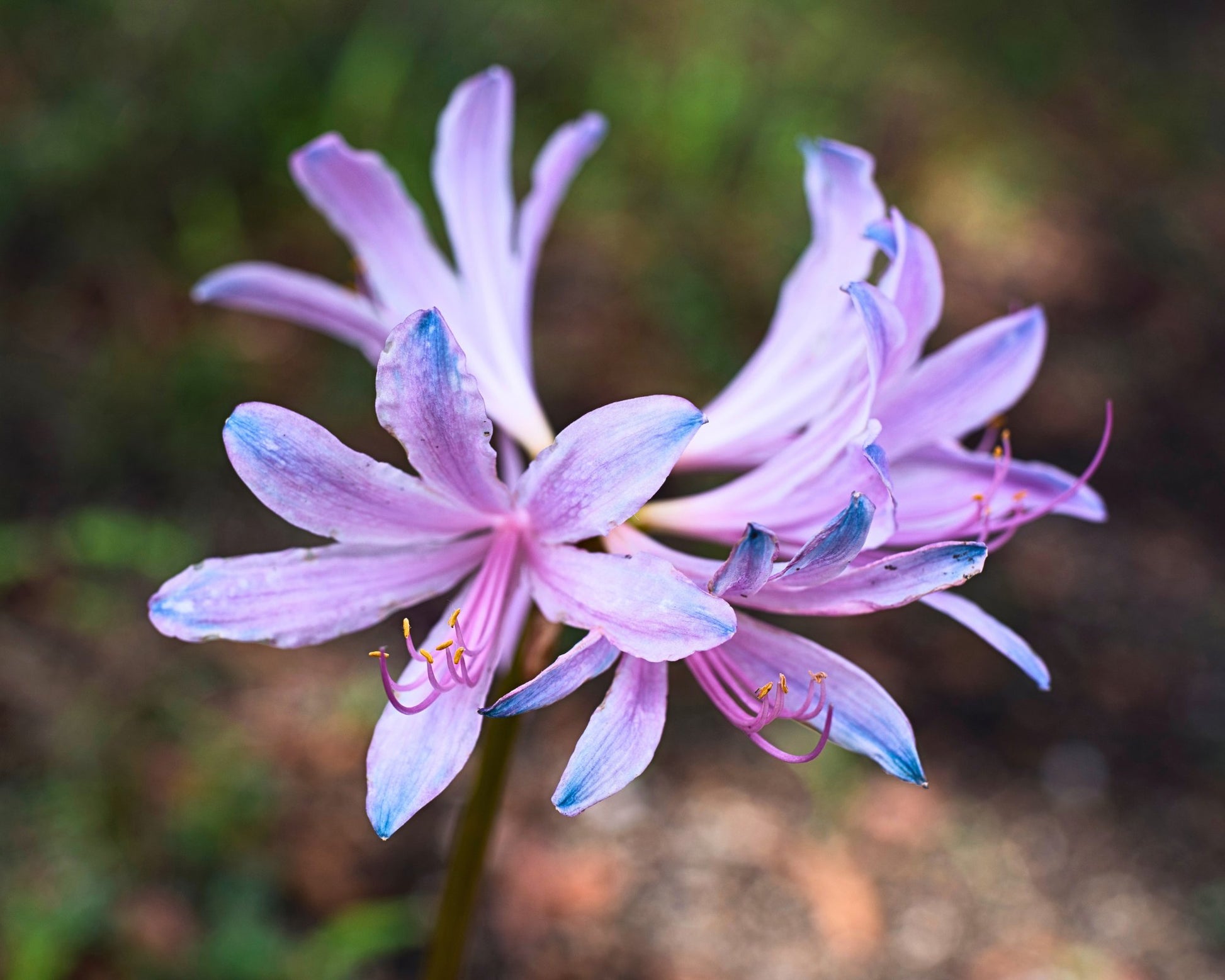

Among the rarest species is Lycoris sprengeri, prized for its pastel beauty.
Characteristics include:
Lavender-blue petals
Slight pink or purple tips
Graceful open form
Highly valued ornamental bulb
Because of its unique coloring, it is a favorite among collectors and specialty gardeners.
Lycoris Incarnata – A Rare and Elegant Hybrid
Lycoris incarnata is a lesser-known species distinguished by its elegant pink blossoms and refined petal structure. Garden enthusiasts appreciate it for its rarity and ornamental charm.
Features of Lycoris incarnata include:
Pale pink to rosy petals
Graceful curved flower shape
Strong adaptability in warm climates
Its understated beauty makes it an exceptional choice for specialty gardens.
Why Gardeners Love Lycoris Lilies
The popularity of Lycoris lilies continues to grow due to several remarkable qualities:
1. Dramatic Seasonal Appearance
Few plants provide the sudden visual impact of Lycoris blooms. Their sudden emergence creates a magical garden moment.
2. Low Maintenance Growth
Once planted, Lycoris bulbs require minimal care and can thrive for years with little attention.
3. Drought Tolerance
These plants naturally tolerate dry summer conditions, making them perfect for low-water landscapes.
4. Unique Floral Structure
The delicate, spider-like petals create one of the most recognizable flower shapes in horticulture.
Lycoris in Modern Pop Culture and Anime
Beyond horticulture, the word Lycoris has recently gained attention through popular media, especially the anime series Lycoris Recoil.
The show has introduced the name Lycoris to a global audience, leading many viewers to search for related terms such as:
Lycoris anime
Lycoris Recoil characters
Lycoris Recoil main characters
Lycoris Recoil MAL
Lycoris Recoil season 2
While the anime is unrelated botanically, it has significantly increased online interest in Lycoris flowers, especially Lycoris radiata, which frequently appears in Japanese storytelling due to its symbolic meaning.
How to Grow Lycoris Flowers Successfully
Growing Lycoris lilies is surprisingly easy when the correct conditions are provided.
Sunlight
Lycoris thrives in:
Full sun
Partial shade
More sunlight generally produces stronger blooms.
Soil Requirements
Ideal soil conditions include:
Well-drained soil
Slightly sandy or loamy texture
Moderate fertility
Waterlogged soil can cause bulb rot.
Planting Depth
Bulbs should be planted:
10–15 cm deep
With the neck of the bulb just below soil level
Spacing bulbs about 20–30 cm apart allows them to multiply naturally.
Watering
Lycoris plants prefer:
Moderate watering during growth
Drier conditions during summer dormancy
This seasonal moisture pattern mimics their natural habitat.
Landscape Uses for Lycoris Lilies
Garden designers often use Lycoris flowers in several creative ways:
Naturalized Garden Beds
Clusters of bulbs create dramatic bursts of color.
Pathway Borders
The tall stems frame walkways beautifully.
Temple or Meditation Gardens
Because of their symbolism, Lycoris flowers add a contemplative atmosphere.
Seasonal Accent Plants
Their late bloom fills the color gap between summer and autumn.
The Timeless Allure of Lycoris Flowers
The mesmerizing beauty of Lycoris flowers lies in their mystery, symbolism, and sudden seasonal appearance. Whether it is the fiery elegance of Lycoris radiata, the magical revival of Lycoris squamigera, the golden brilliance of Lycoris aurea, or the rare pastel hues of Lycoris sprengeri, each species offers a unique visual spectacle.
These captivating blooms transform quiet late-summer gardens into breathtaking displays of color and movement. With minimal care and extraordinary beauty, Lycoris lilies remain among the most fascinating ornamental plants in the botanical world.
Conclusion
The remarkable charm of Lycoris flowers extends far beyond their appearance. Their symbolism, unusual blooming cycle, diverse species, and growing popularity in modern culture make them one of the most intriguing late-season plants. For gardeners seeking dramatic blooms and unforgettable garden moments, Lycoris lilies are truly unmatched.
Comments
Post a Comment